
Loose connections and shared neutral terminals
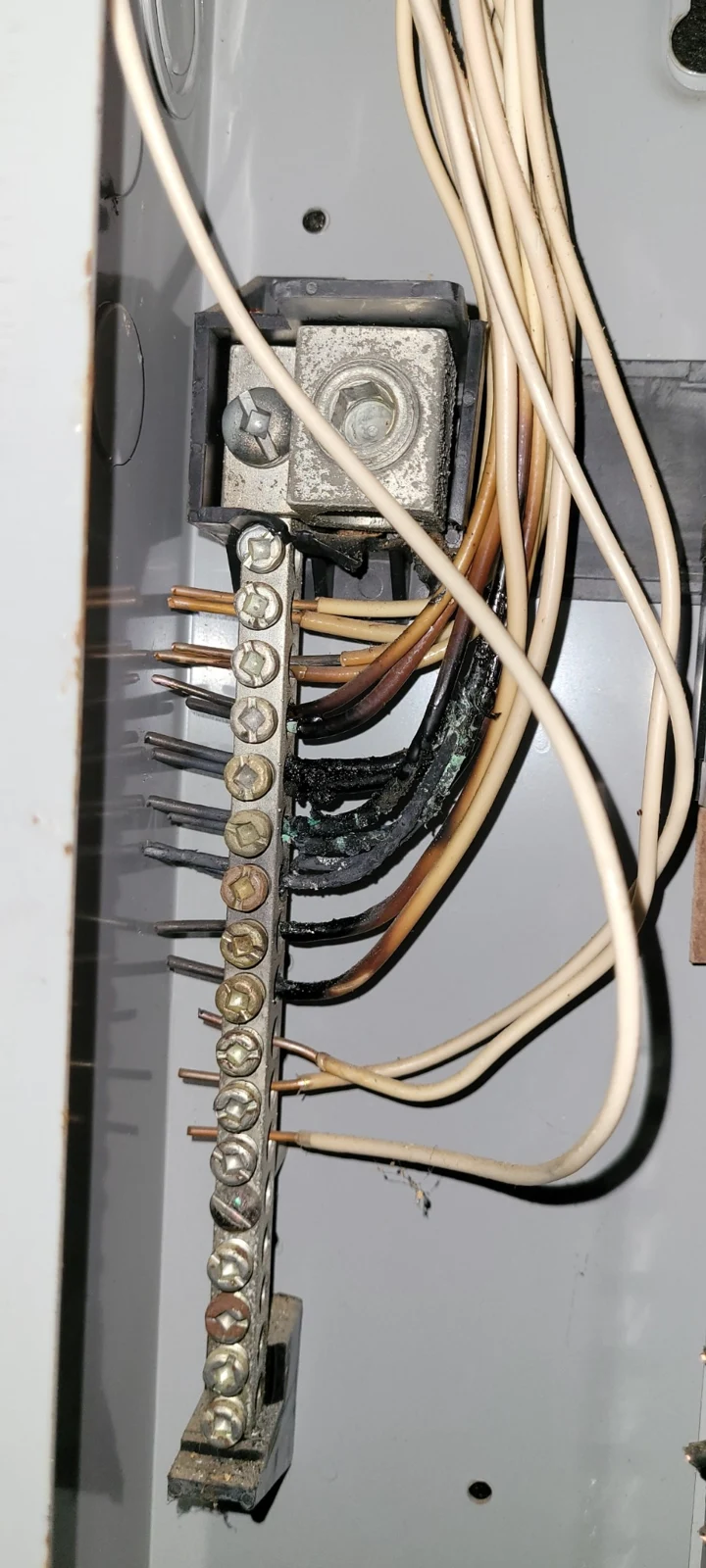
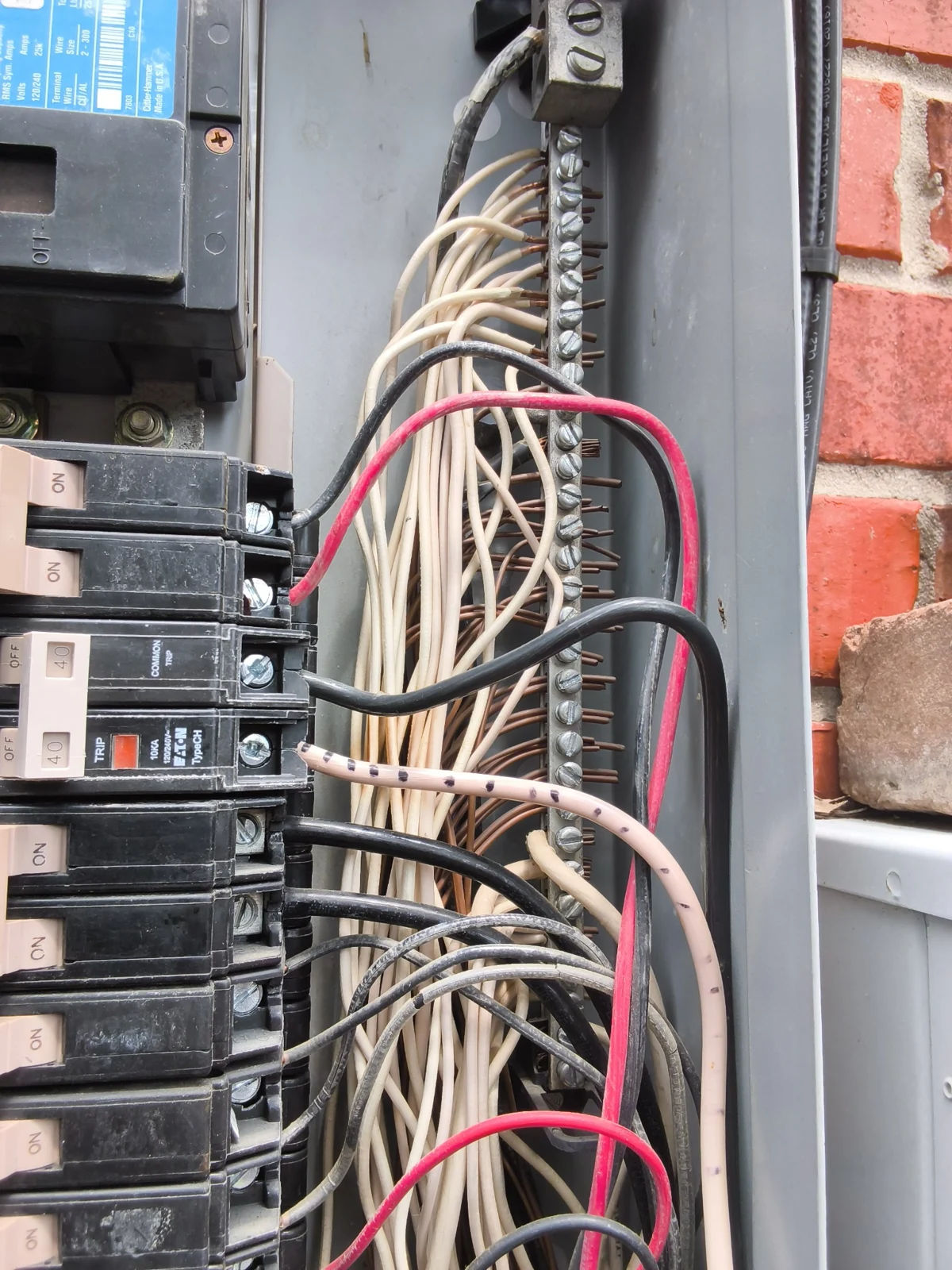
A loose or damaged connection can develop resistance and heat, damaging insulation, terminals and the panel itself. Two branch circuit neutrals under a terminal intended for one can prevent a dependable connection and complicate safe servicing. Schneider Electric specifies one branch neutral per terminal in QO and Homeline equipment.
We inspect for heat damage, corrosion, unsuitable terminations and grounding or bonding defects. Any torque checks or corrective work follow the specific equipment instructions and safe power isolation procedures.
A practical maintenance interval
Diff Electric recommends a professional panel and grounding review about every 3 to 5 years as a starting point. This is our service recommendation, not a universal code mandated schedule. Equipment instructions, age, outdoor exposure, water intrusion and signs of trouble may justify earlier attention.
Ground rods do not have one universal expiration date
Soil conditions, rod material, corrosion, physical damage and the condition of clamps and conductors affect grounding performance. A 15 to 20 year old system deserves evaluation, but age alone does not prove a rod has failed. Copper bonded rods can last substantially longer in suitable conditions.
We assess the grounding and bonding system and determine whether testing, connection repairs or electrode replacement is appropriate. An acorn clamp connects a suitable conductor to a rod; an intersystem bonding bridge provides a bonding point for communications systems. Both are parts of the larger system.
Grounding and bonding, connected.
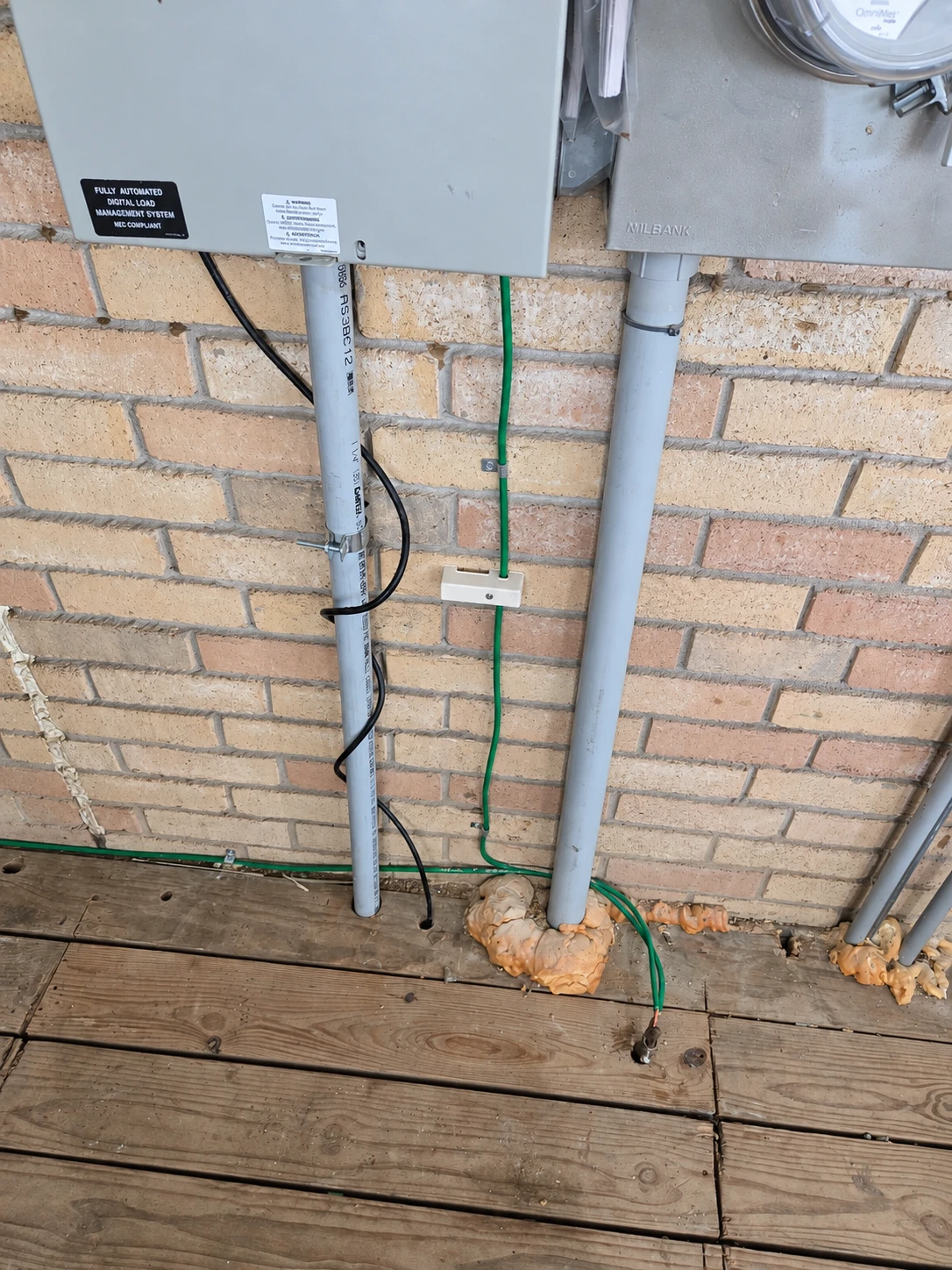
A loose connection, up close.
A two second excerpt from William’s inspection video showing a loose ground connection.